Case Studies · 24 Mar 2026
Case Study: Africa Carbon Partners and Treeconomy
Unlocking Validation in Nigeria’s Largest National Park with High-Integrity Biomass Data
By Carolina Amu Trujillo
Partner: Africa Carbon Partners (ACP)
Project: Gashaka Gumti National Park, Nigeria
Methodology: Assisted Natural Regeneration (ARR VM0047)
Project Scale: 590,700 hectares total (approx. 350,000 ha project area)
Estimated Impact: 18 million tonnes of carbon credits generated over the project lifetime (10 million tonnes in the first 40 years)
The Context: Conservation at a Massive Scale
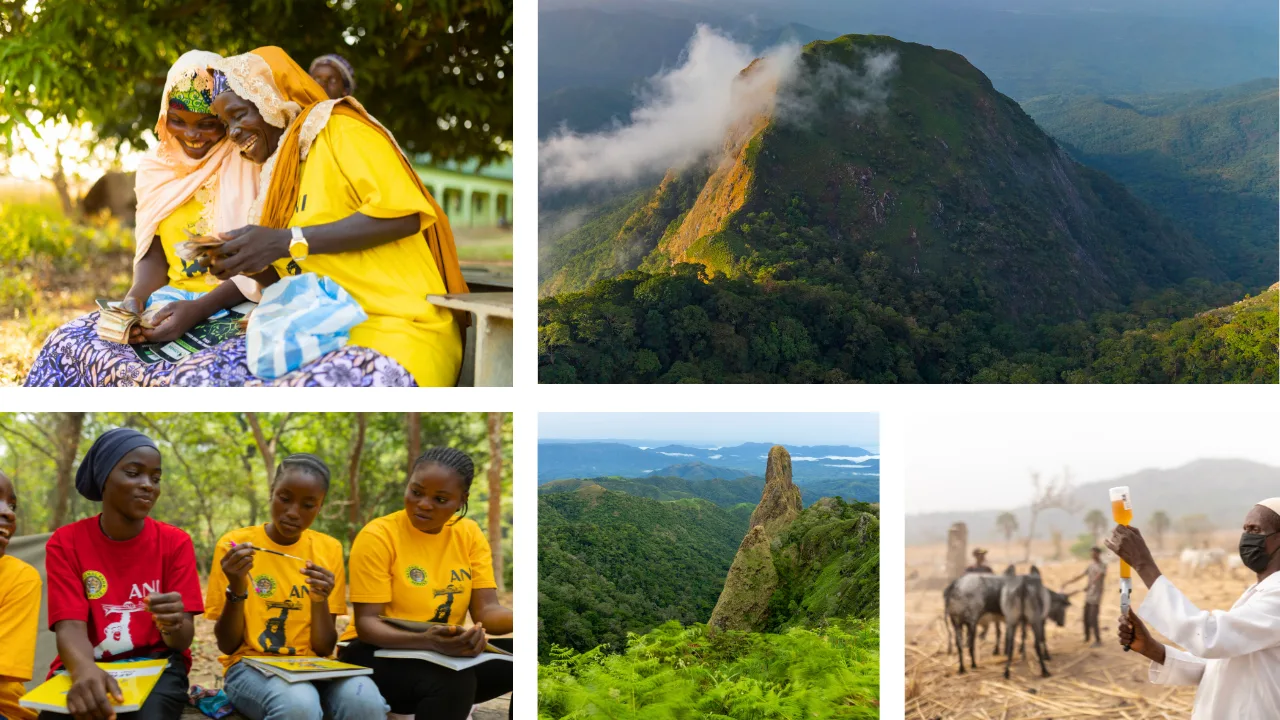
This flagship initiative is located in Gashaka Gumti (GGNP), Nigeria's largest national park. As a vital biodiversity hotspot, the park provides a sanctuary for endangered species such as the giant pangolin and the largest population of primates in West Africa.
The project covers a total scale of 590,700 hectares and utilises carbon finance to protect this critical ecosystem from anthropogenic pressures, including illegal grazing, logging, poaching, and fire.
A Strategic Partnership for High-Integrity Impact
This complex undertaking is a collaboration between two specialised organisations:
Africa Nature Investors (ANI) Foundation: A Nigerian, not-for-profit, led by experienced African professionals who signed a co-management agreement for the park in 2017. Their goal is to ensure the long-term protection of the park while delivering tangible benefits to the local communities.
Africa Carbon Partners (ACP): A leading developer focused on high-integrity nature-based solutions. ACP provides the specialised technical expertise and flexible risk alignment required to develop such complex, large-scale conservation projects.
"Above all, this is a conservation project that is financed through carbon, that aims to demonstrate how conservation can break this cycle and generate sustainable developmental benefits.," explains Alexandra Esteve Santos, Commercial Director at ACP.
Beyond Carbon: Delivering Social Value
The impact of the Gashaka Gumti project extends well beyond carbon sequestration. By working directly with local communities, ANI facilitates transformative livelihood programmes, including:
Women-led SMEs: Supporting 46 Savings & Loans Groups comprising 1,915 women.
Pastoralist Support: Facilitating the vaccination of 150,000 cattle, goats, and chickens.
Employment & Alternative Livelihoods: Employing 150 direct staff (and over 3,000 indirectly), while providing training in agroforestry and beekeeping.
The Challenge: The "Greenness" Problem and Data Scarcity
Despite the immense ecological and social value of the Gashaka Gumti project, quantifying its carbon baseline presented a hurdle.
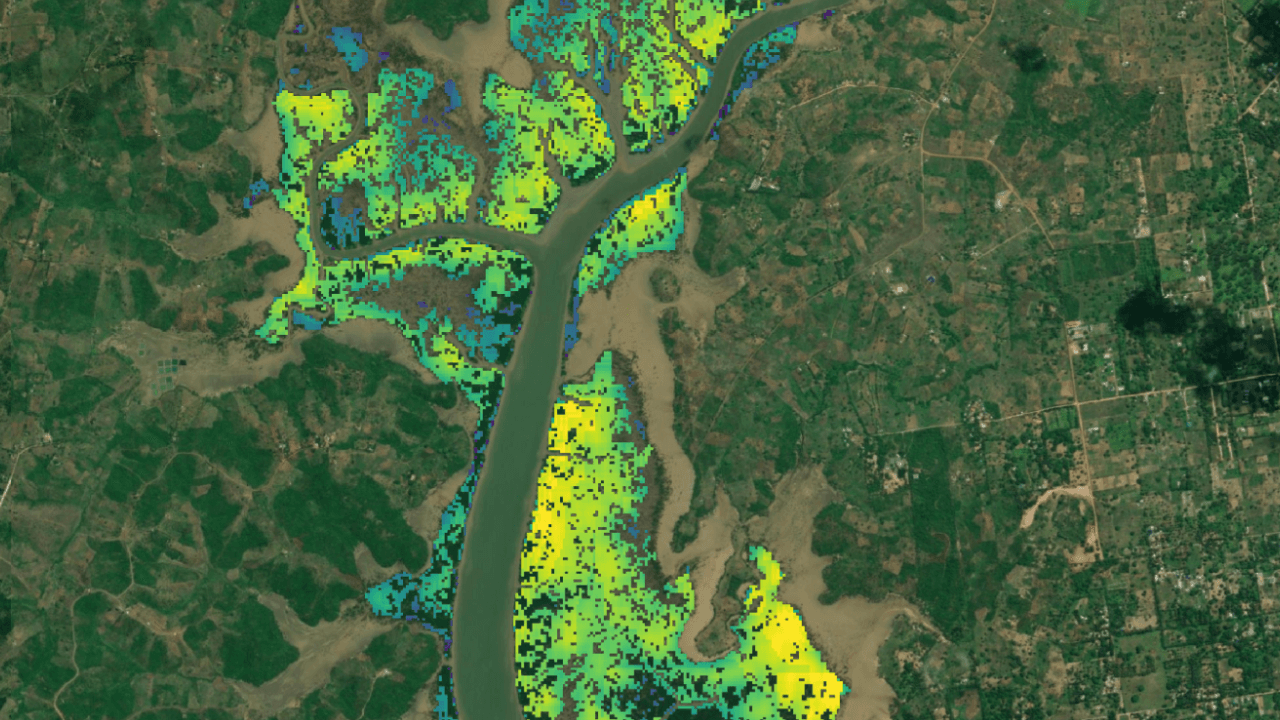
Because this region of Africa has historically lacked intensive mapping and research, foundational data was incredibly scarce. When the ACP team attempted to use standard NDVI/NDFI satellite proxies (which measure "greenness"), the data proved inapplicable.
"The main challenge that we have faced is that very little data exists for this part of Africa, as it has previously not been the focus of research/intensive mapping efforts," notes the ACP technical team. "Because of this, the standard NDVI/NDFI was not very applicable for us."
Gashaka Gumti features a highly complex mosaic of habitats. Standard satellite models struggled to differentiate between actual dense forest canopy and temporary ground-level greenness.
"It was also a challenge because we have such a mosaic of habitats that we struggled with getting full coverage of our project area that was accurate, particularly in areas with less tree cover which were the more important ones for the project," the team added.
Commercial Risk: As a result, ACP faced large uncertainty deductions based on high rates of inaccuracy, as well as greater scrutiny from the Validation and Verification Body (VVB) regarding their methods and modelling for determining biomass and baselines.
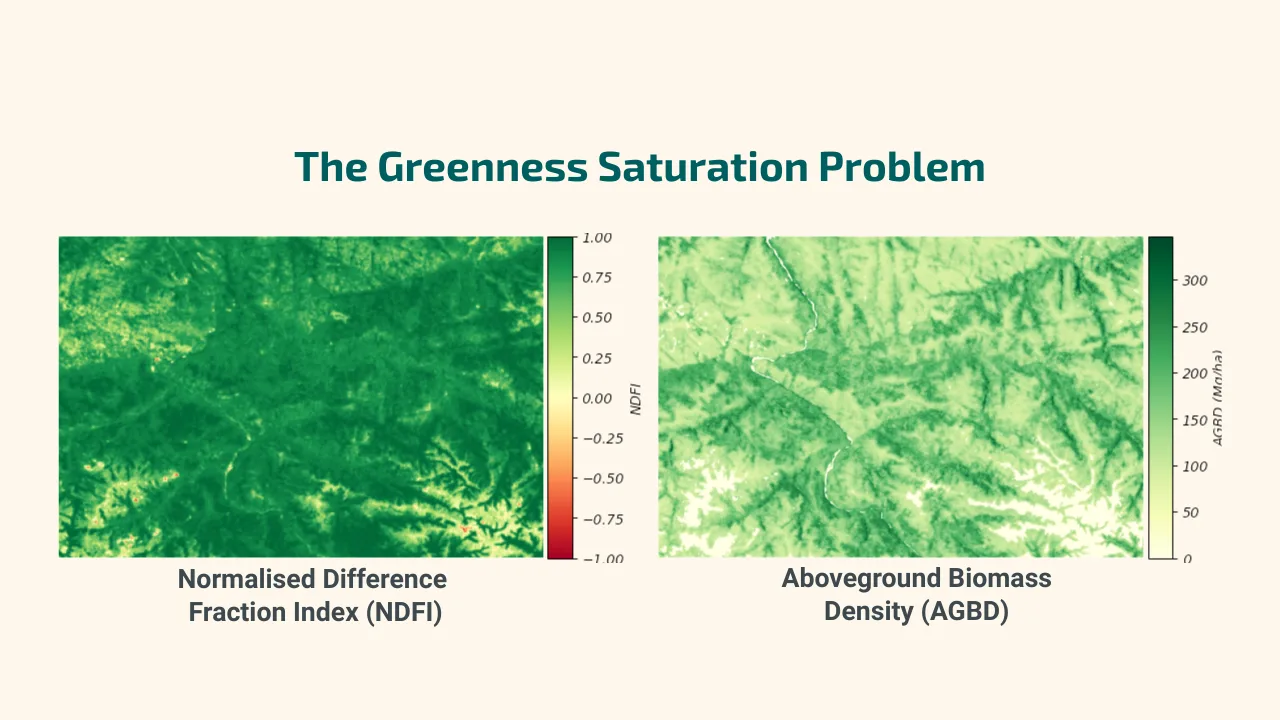
Solution: An Integrated Biomass Model Initially, ACP and ANI attempted to work alongside a charity's carbon team to build a bespoke model for the park. However, this proved to be heavily time-consuming, energy-intensive, and ultimately too complicated for the ACP and ANI team to effectively use and update following future field campaigns.
To solve this, ACP and ANI partnered with Treeconomy. Instead of relying on generalised satellite greenness or overly complicated bespoke builds, Treeconomy deployed its Integrated Biomass Model.
"Treeconomy made it extremely easy to integrate our existing field data into their models with fairly high accuracy," the ACP team shared. "The integrated biomass model allowed us to quickly and effectively incorporate the field data that we already had to help ground truth the model and provide further validity to our calculations."
The Results: Smooth Validation and Operational Efficiency
By transitioning to Treeconomy's Integrated Biomass Model, ACP unlocked several key wins for the Gashaka Gumti project:
Streamlined VVB Validation: The high-integrity data approach drastically reduced friction during the auditing process. "We got very few questions from the VVB about our biomass calculations, only requests for files that were used," stated ACP. "They seemed happy with the approach and level of resolution."
Saved Time and Resources: Operationally, the shift saved the ACP team significant time by eliminating the need to deal with the previous "clunky" model.
Optimised Ground-Truthing: While ACP still conducts essential field plots, having Treeconomy's integrated model means they do not have to exert as much manual effort on the ground as they would have otherwise needed.
Through high-integrity data, ACP has successfully laid the groundwork to issue an estimated 18 million tonnes of carbon credits, ensuring the long-term protection of Nigeria's most vital natural landscape.
Want to learn more about how ACP achieved this?
Join our upcoming webinar for a live show and tell on the Gashaka Gumti project and the evolution of biomass modelling. We will move beyond this case study to analyse how to identify technical risks such as the "Zero Problem" and "Phantom Carbon" while building a data foundation specifically engineered to withstand institutional audit.
Expert Panel:
Dr Matt Amos, Science Lead at Treeconomy
Alexandra Esteve Santos, Commercial Director at Africa Carbon Partners
Date: 9 April 2026 Time: 2:00 p.m. UK Time